Sometimes that is a reasonable choice. Sometimes the code doesn't allow it, and sometimes it buries a problem that will cost more later. This guide covers what California's 2025 residential code says, the extra limits the City of San José sets for reroofs, and the questions to ask before you sign an overlay bid. We have left prices out, because they vary too much by house to mean anything here.
Overlay or Tear-Off: What the Bids Actually Mean
The California Residential Code uses two terms, and it helps to read your bids with them in mind:
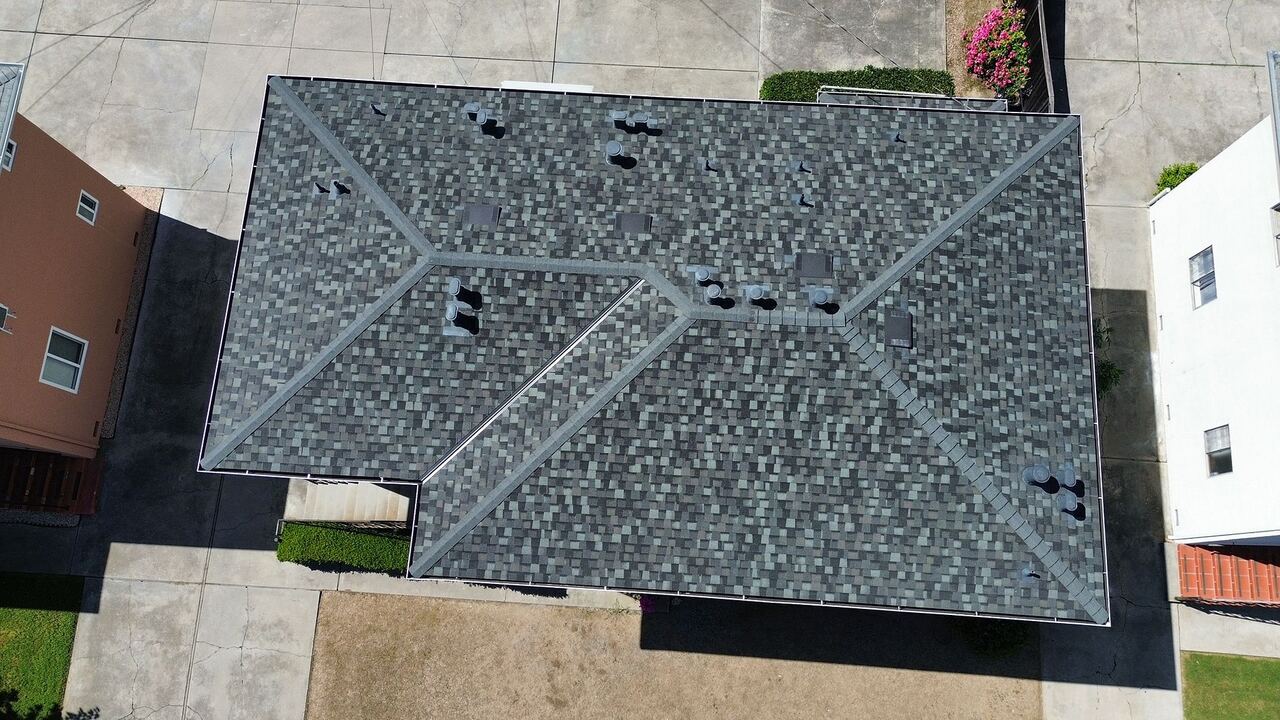
- Roof recover (the overlay): a new roof covering installed over the existing roof covering.
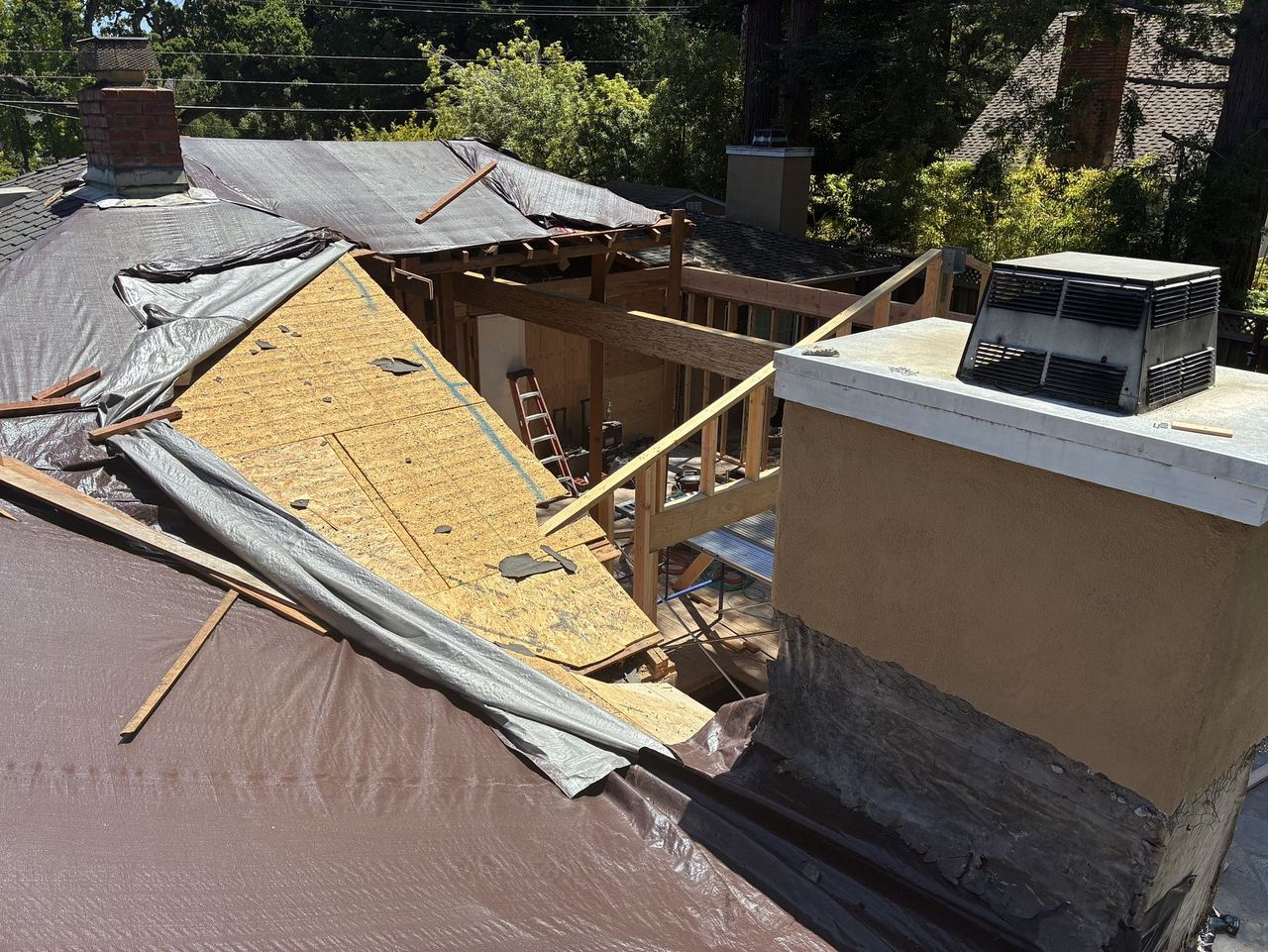
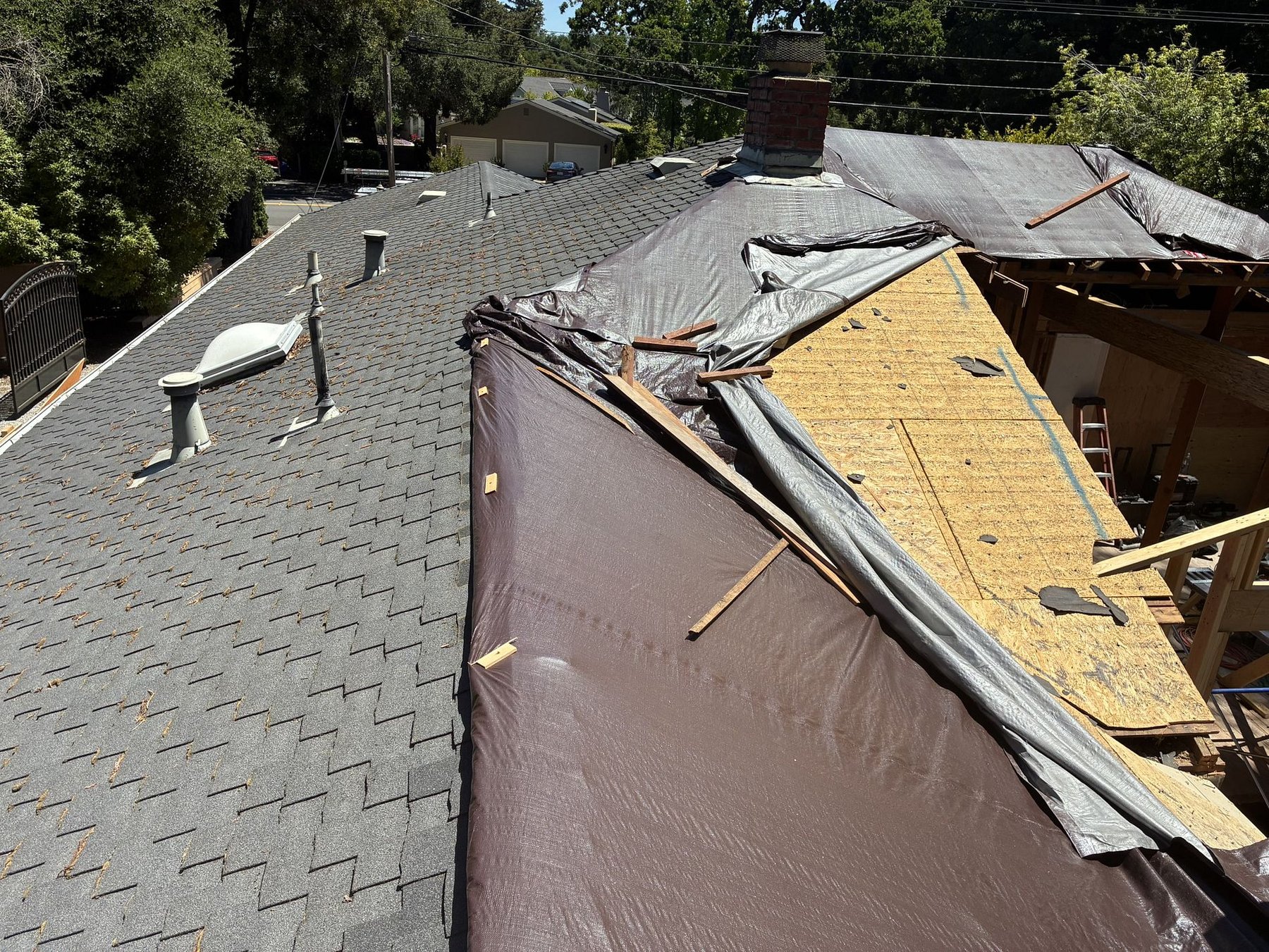
- Roof replacement (the tear-off): removal of the existing layers of roof covering down to the roof deck, then a new roof from the deck up.
Both are re-roofs. A permit, an inspection and the energy code can apply to either, so an overlay is not a way around any of them.
There is a third option that sometimes belongs on the table: neither one yet. A roof with a few lifted shingles, one failed pipe boot or worn flashing at a wall may simply need a repair. If that is closer to your situation, start with roof repair in San Jose and come back to this decision when the roof as a whole is done. Our guide to how long a roof lasts in San Jose can help you judge where yours stands.
What the 2025 California Residential Code Allows
California's current residential code took effect on January 1, 2026, and reroofing is covered in Section R908. Under R908.4, a new covering may go over an existing one where it is installed according to the new roof covering manufacturer's approved instructions. The section then lists three situations where a recover is not permitted:
- The existing roof or covering is water-soaked, or has deteriorated to the point that it is not an adequate base for more roofing.
- The existing covering is slate, clay, cement or asbestos-cement tile.
- The roof already has two or more applications of any type of roof covering.
The third one catches people out. A house built in the 1960s may already have been overlaid once in the 1990s, and nothing on the ground will tell you. Look at the edge of the roof at the eaves and rakes, where you can sometimes count the layers, or ask the roofer to check before you compare prices. If there are two layers up there now, every honest bid is a tear-off.
The code also says the roof structure has to be able to carry the new roof covering, plus the material and equipment loads during the installation. That is the basis for San José's weight rule below.
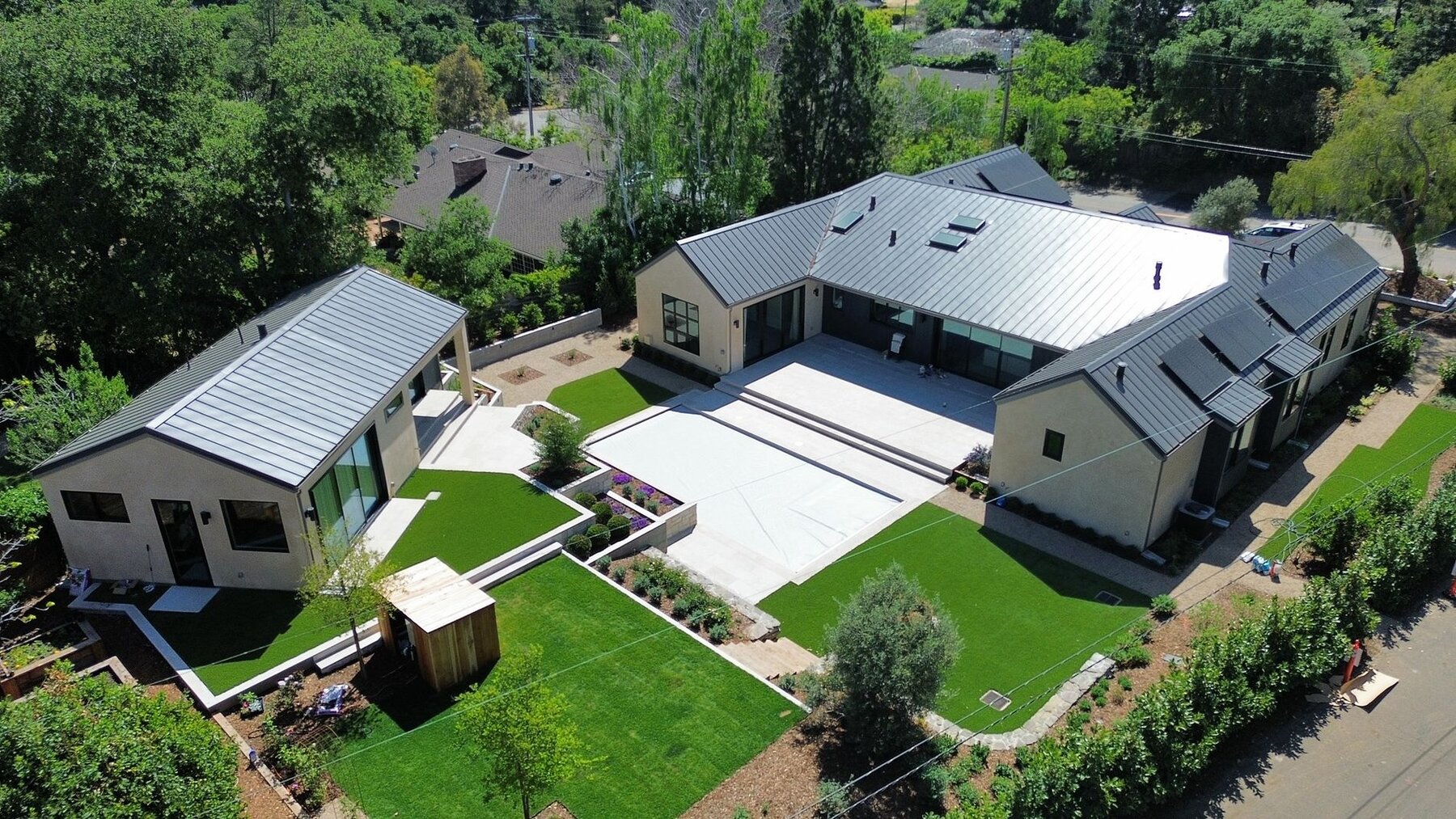
One exception works in the other direction. Under R908.4, a complete and separate roofing system that carries its loads directly to the building's structure and doesn't rely on the old roof for support does not require the old covering to come off. The code gives standing-seam metal as its example. If you are already weighing metal, our guide to standing-seam metal roofs in San Jose covers the rest of that decision.
San José's Own Limits on Overlays
The City of San José publishes its own reroof specifications, and the inspector checks the job against them. For overlays, the City lists four rules:
- Two composition roofs at most. The maximum number of composition roof covers allowed is two. One existing layer plus one new one is the limit.
- A weight check. If the total weight of all roof coverings exceeds 7 pounds per square foot, an engineering analysis of the roof-supporting structure is required.
- Wood shakes take metal only. Only metal tiles listed for the purpose may be used to overlay a wood shake roof.
- Built-up roofs: a maximum of two built-up roofs is possible.
Two of the City's general requirements matter more on an overlay than on a tear-off. Nails or staples must extend at least ¾ inch into or through the sheathing, so on an overlay the nail has to pass through the old layer and still reach that depth. And composition shingles need a minimum slope of 2:12, so a shallow porch or patio roof may need a different product whichever way you go.
The permit rule is the same for both methods. San José requires a building permit when 25 percent or more of the roof is reroofed in any 12-month period, and below that the work counts as a repair. An overlay of the whole roof is well over that line. Most reroof permits start online at SJPermits.org. If your property is in a Wildland-Urban Interface area, a flood zone, a geohazard zone or a Planned Development zoning district, it doesn't qualify for the faster over-the-counter service and goes through standard plan review. Our guide to wildfire roof requirements in San Jose explains how to check whether your parcel is mapped. The City also notes that insurance companies may deny claims related to unpermitted work, and our post on hiring a roofer in San Jose covers who should pull the permit.
Wood Shakes and Tile: Two Roofs That Change the Answer
Wood shakes. Some older South Bay homes still have wood shake roofs, sometimes hidden under a later layer. The 2025 code added a section for this case. Metal panels, metal shingles and concrete or clay tile may be installed over existing wood shakes, and where the new covering creates a combustible concealed space, the entire existing surface has to be covered first with gypsum board, mineral fiber, glass fiber or another approved material. Inside San José, the City's specification is narrower: only metal tiles listed for overlaying shakes. Composition shingles nailed straight onto shakes are not on either list. If you want to stay with wood, a new Class A fire-treated cedar roof starts with a full tear-off, because cedar does not go over cedar.
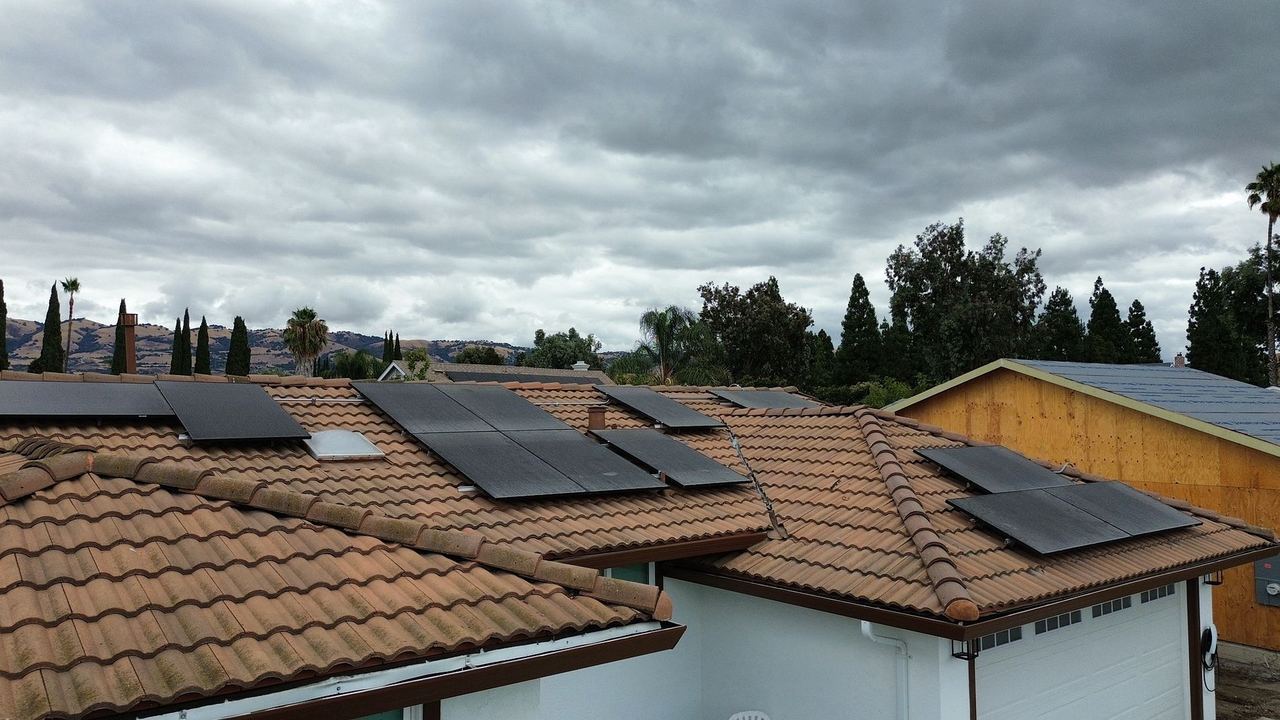
Tile. A clay or concrete tile roof can't be recovered at all under R908.4. What the code does allow, in R908.5, is reinstalling existing clay or cement tile, as long as damaged, cracked or broken tiles are not reused. That is the basis of a lift-and-relay: the tiles come off, the worn underlayment and flashings underneath are replaced, and the sound tiles go back on. Our Almaden tile project shows that job, and our tile roofing service page covers the options.
Title 24 Treats an Overlay as a Re-Roof
California's Energy Code counts recovering as re-roofing, so the cool-roof rules that apply to a tear-off apply to an overlay too. San Jose is in Climate Zone 4. For a steep-slope residential re-roof there, the prescriptive requirement is an aged solar reflectance of at least 0.20 and a thermal emittance of at least 0.75, or a Solar Reflectance Index of at least 16. Several exceptions can take a house out of it, including R-38 ceiling insulation, a radiant barrier in the attic, no ducts in the attic, or R-2 insulation above the roof deck. The rule generally applies when half or more of the roof is being re-roofed, so a whole-roof overlay is in. In practice it narrows your color choices rather than your options, and a good roofer will tell you which rated colors meet it.
When an Overlay Makes Sense, and When It Doesn't
An overlay is worth considering when all of these are true:
- There is one layer now, confirmed at the edge or with a test cut.
- The deck is dry and solid, with no soft spots underfoot, no interior stains and no history of long-running leaks.
- The existing shingles lie reasonably flat, without heavy curling.
- The manufacturer of the new shingles approves installation over the existing roof. Ask the roofer to show you those instructions, and ask the manufacturer in writing how a recover affects its warranty.
- The flashings and vents are being replaced, not reused as-is.
A tear-off is the better buy when any of these apply: two layers already, a shake roof under the shingles (outside the metal option), active leaks or a spongy deck, solar panels going on soon (see our guide to re-roofing before solar), or a plan to stay in the house long enough to want the full life out of the new roof. If you are thinking about insurance or a future sale, ask your insurer how it treats a second layer before you choose. Our post on roof age and home insurance covers the questions to ask.
When we do recommend a tear-off, it looks like our Campbell tear-off and shingle conversion: everything off, the deck checked, new underlayment and flashings, then the new roof. Our roof replacement and shingle roofing pages explain how that job runs. Keith Roofing has worked on San Jose roofs since 1952. If you already have an overlay bid and want a second opinion, send it over and we'll walk the roof.
Frequently Asked Questions
Need professional help with your roof? Keith Roofing Company has been serving San Jose and the South Bay since 1952. We offer free estimates, honest recommendations, and work that's backed by BBB A+ Accreditation and CSLB License #1118418. Schedule a free estimate or call (408) 295-8616.