We get calls every year from people who bought a house in spring and found the leak in December. This guide is for the stage before that: while you are in contract and can still ask questions. It covers what a general home inspection is designed to do, how to find out how old the roof really is, what a roofer checks on the roof types common around San Jose, and how buyers usually use the results.
What the Home Inspection Covers, and What It Doesn't
A general home inspection is valuable, and you should get one. But it helps to know what it is built to be. California's Business and Professions Code (Section 7195) describes a home inspection as a noninvasive, physical examination of a one-to-four-unit home's systems and structural and essential components, aimed at identifying material defects: conditions that significantly affect the home's value, desirability, habitability or safety.
Noninvasive is the key word. A home inspector does not pull up tiles, open the roofing around a chimney or cut into the deck. On many South Bay houses the inspector looks at the roof from a ladder at the eaves, from the ground, or with a drone, rather than walking it. That is often the right call: concrete and clay tile can crack under a footstep, and steep or wet roofs are dangerous. The result is a report that tends to describe the roof in general terms and recommend "further evaluation by a licensed roofing contractor."
When you see that line, take it seriously. A roofer spends the whole visit on one system, walks it where it can be walked safely, goes into the attic specifically to look at the underside of the roof, and can tell you whether a problem is a repair or the start of a replacement. That is the purpose of a separate roof inspection during your contingency period.
Pin Down the Roof's Real Age
Age is the first thing to establish, because it tells you how much life a roof should have left before anyone climbs up. Listings often say "newer roof" without a date, so check it from three directions.
The seller's disclosures. California's Real Estate Transfer Disclosure Statement has a line for the roof's type and approximate age, and it asks the seller whether they know of significant defects in the roof. Read what was written there, and compare it with what you see and with the permit record.
The permit history. In San José, a building permit is needed when 25 percent or more of a roof is re-roofed within 12 months, so a full replacement should have left a record. Anyone can search a property's permit history by address on the City's SJPermits.org portal. A finaled re-roof permit with a date settles the age question better than any listing description. If the seller says the roof was replaced and there is no permit at all, that is worth a direct question, because an unpermitted re-roof was never inspected by the City. Note that houses in unincorporated county pockets, such as part of Cambrian Park, are permitted by the County of Santa Clara rather than the City, and nearby cities such as Campbell, Saratoga and Los Gatos keep their own records.
The paperwork from the roofer. Ask the seller for the original contract or invoice and any manufacturer warranty registration. Those show what was actually installed: which shingle or tile, which underlayment, and whether the old roof was torn off or covered over. Ask, too, whether the warranty can be transferred to a new owner, since some can and some cannot.
Once you have a date, our guide to how long a roof lasts in San Jose will tell you roughly where that roof sits in its life.
What a Roofer Looks For, Roof by Roof
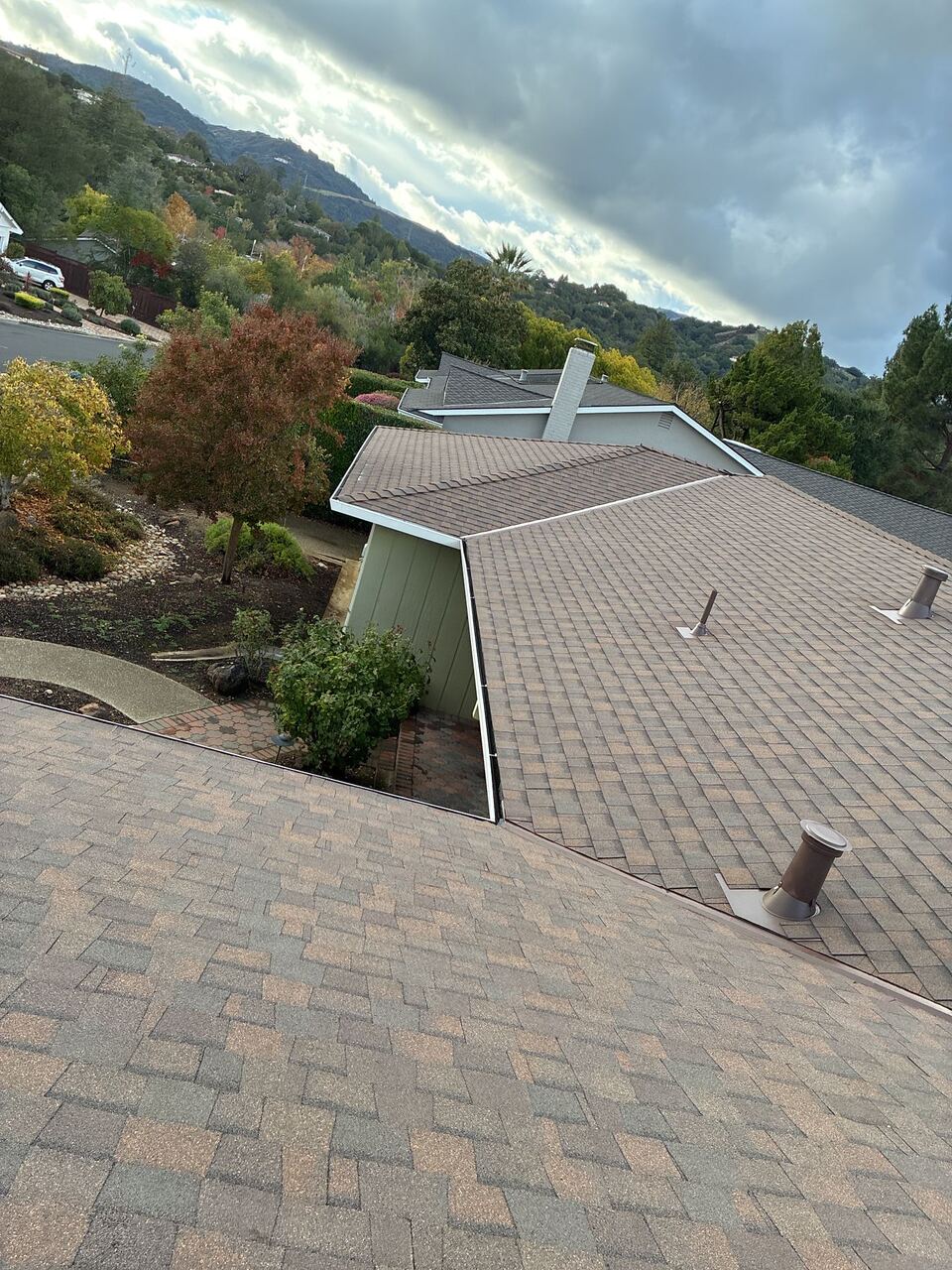
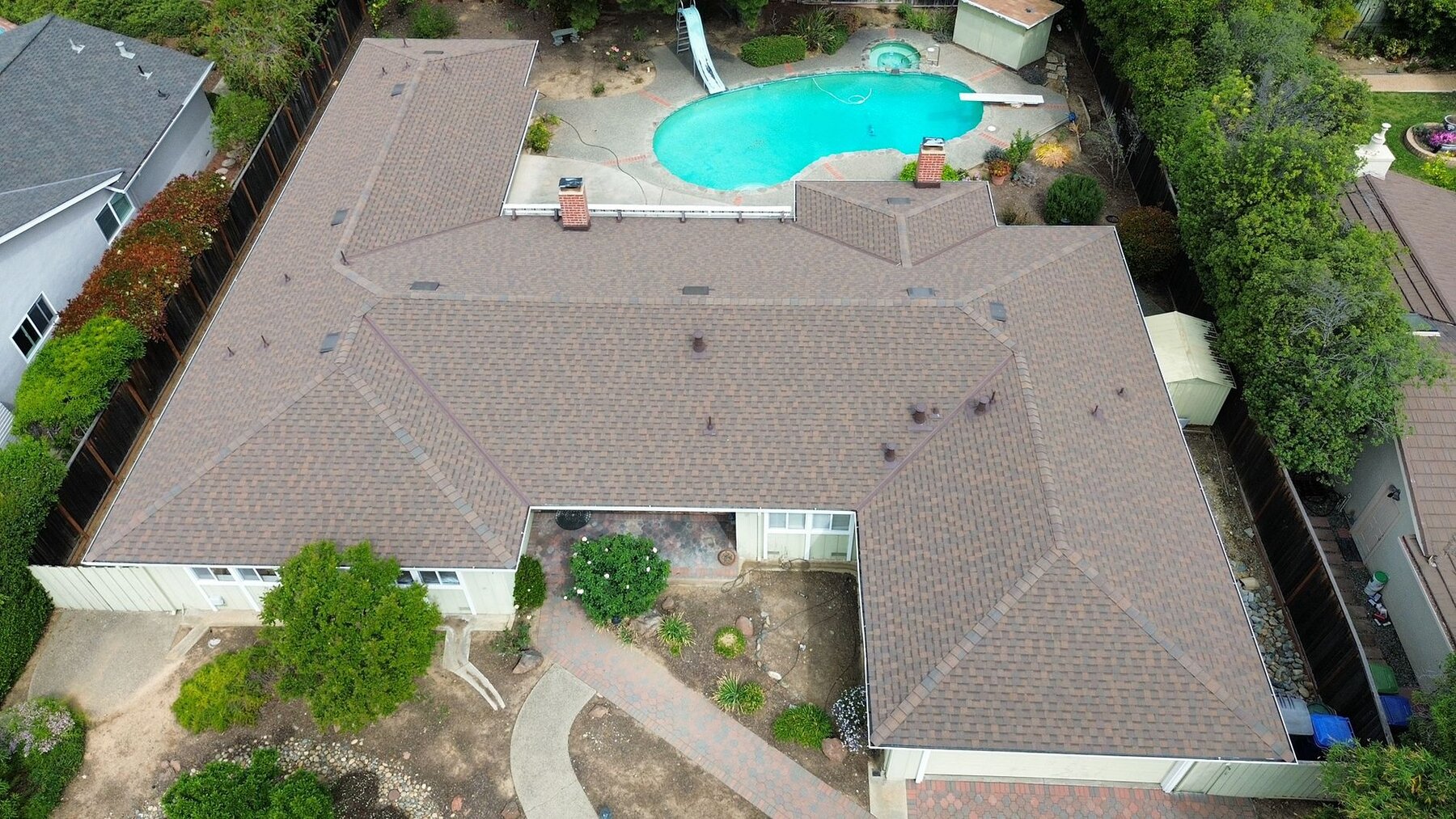
Architectural asphalt shingle. On shingle roofs we look for granules collecting in the gutters and at downspout outlets, shingles that have curled or cupped, and bald patches on the south- and west-facing slopes that take the most sun. We also check whether there is more than one layer. A second layer laid over an old one is cheaper on day one and means a heavier, more expensive tear-off later. Ventilation matters as well: an attic that cannot exhaust its heat cooks shingles from underneath, which is why we check intake and exhaust on every shingle roof. Our attic ventilation guide explains what we are looking for.
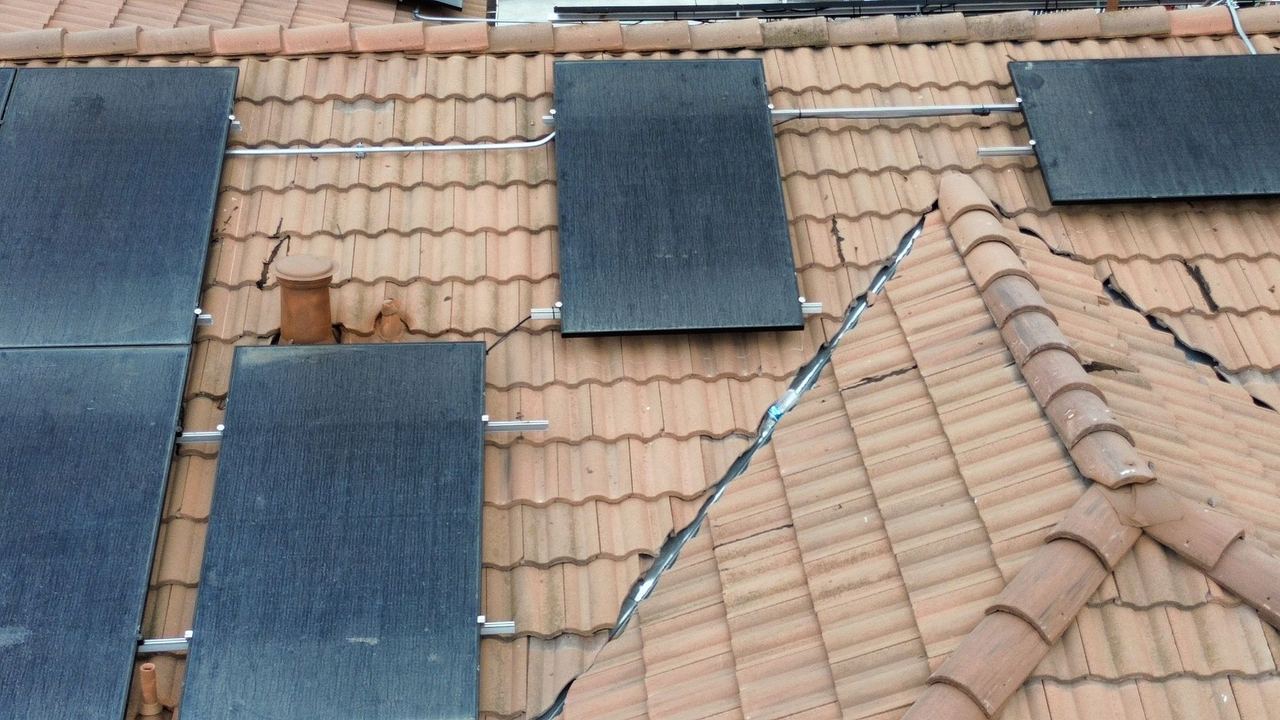
Concrete or clay tile. Tile is common across Almaden Valley, Evergreen and Willow Glen, and it is the roof type where a quick look from the street misleads buyers most often. The tiles can look nearly new while the underlayment beneath them, which actually keeps the water out, has reached the end of its life. A roofer looks for cracked and slipped tiles, mortar at the ridges and hips, and the condition of the flashing in the valleys and around penetrations, and will often lift a few tiles to see the underlayment. If that layer is worn out, the usual answer is a lift-and-relay, where the existing tile is lifted, the underlayment and flashing are renewed, and the tile goes back. That is a large job, but often well short of a new roof. See our tile roofing service for how it works.
Flat and low-slope roofs. Eichlers, flat-roofed additions and carports need a different eye. We look for ponding (water that sits for days after rain), blisters and splits in the membrane, seams pulling open, and how the drains and scuppers are detailed. On an older tar-and-gravel roof, bare spots where the gravel has washed away and cracks in the surface are early warnings. Our guide to repairing, coating or replacing a flat roof covers what each finding usually means for the budget.
Wood shake. Wood shake still turns up on some older South Bay houses. If the house you are buying has one, find out early what your insurer will say about it, and read our guide to wildfire roof requirements in San Jose, especially if the property sits near the hills.
On every roof type, a roofer also traces the places water usually gets in: chimneys, skylights, wall junctions and plumbing vents. Our guides to chimney leaks and skylight leaks show what failed flashing looks like at each.
The Deck, Seen From the Attic
The roof deck, the sheathing the roofing is nailed to, cannot be seen from outside at all. From the attic, though, the underside of it can tell you a lot, and it is one of the most useful parts of a pre-purchase roof inspection.
With a flashlight, a roofer looks for dark staining or water tracks on the sheathing and rafters, especially around the chimney, skylights and vent pipes; plywood that has started to delaminate; daylight showing through where it should not; mold on the underside of the deck; and spots that feel soft when pressed. On older houses the "deck" may be skip sheathing (spaced boards rather than solid panels), which affects what a future re-roof has to include. Ceiling stains in the rooms below, and fresh paint over a single patch of ceiling, are worth a question too.
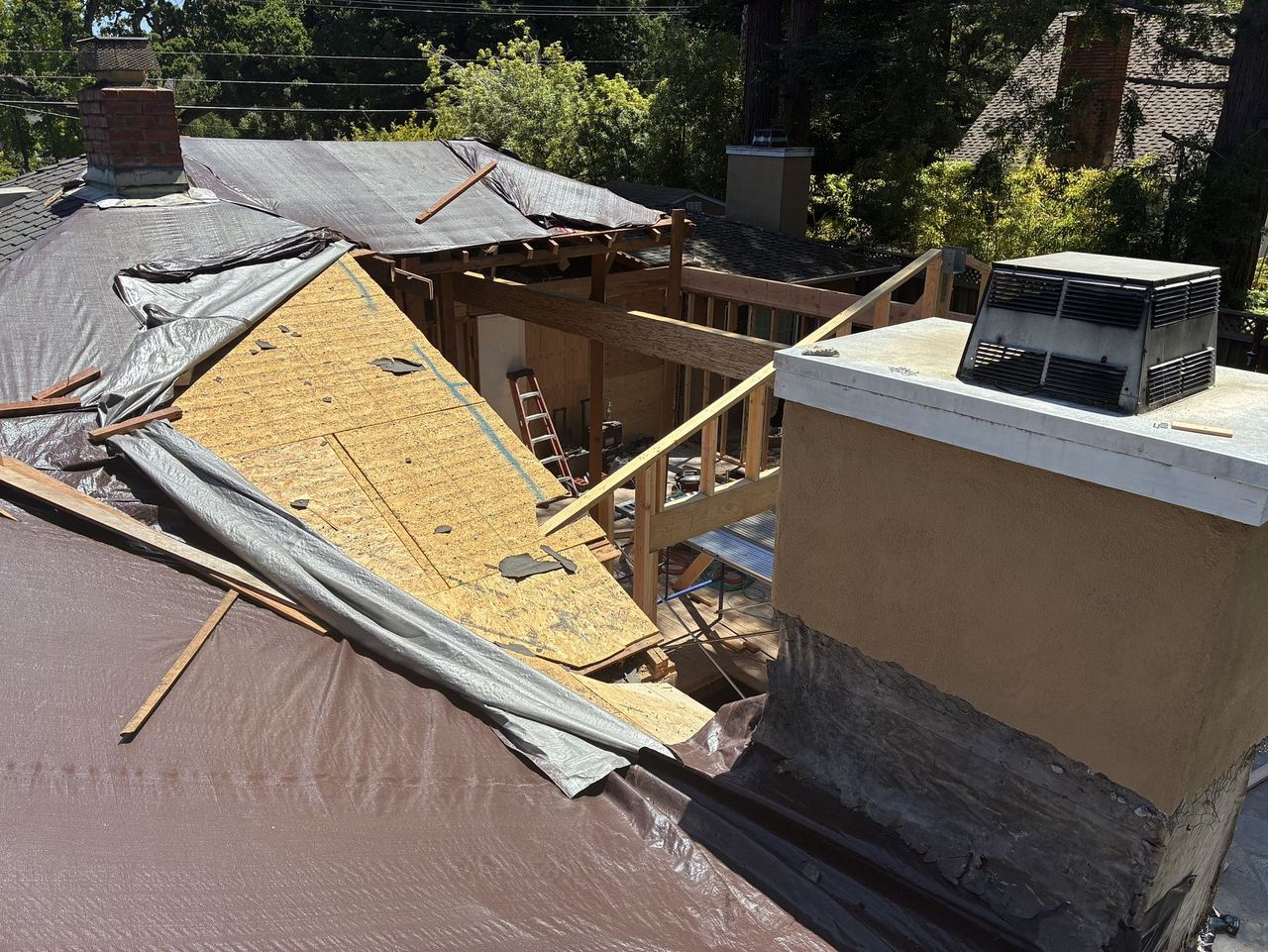
None of this tells you exactly how much wood a future tear-off will replace, because some damage only shows once the old roofing is off. But staining in the attic is a strong clue that the roof has leaked, and that the deck near those spots may need work. Our article on roof deck repair and dry rot in San Jose explains what roofers find when they open these roofs up.
Solar Panels on the House You're Buying
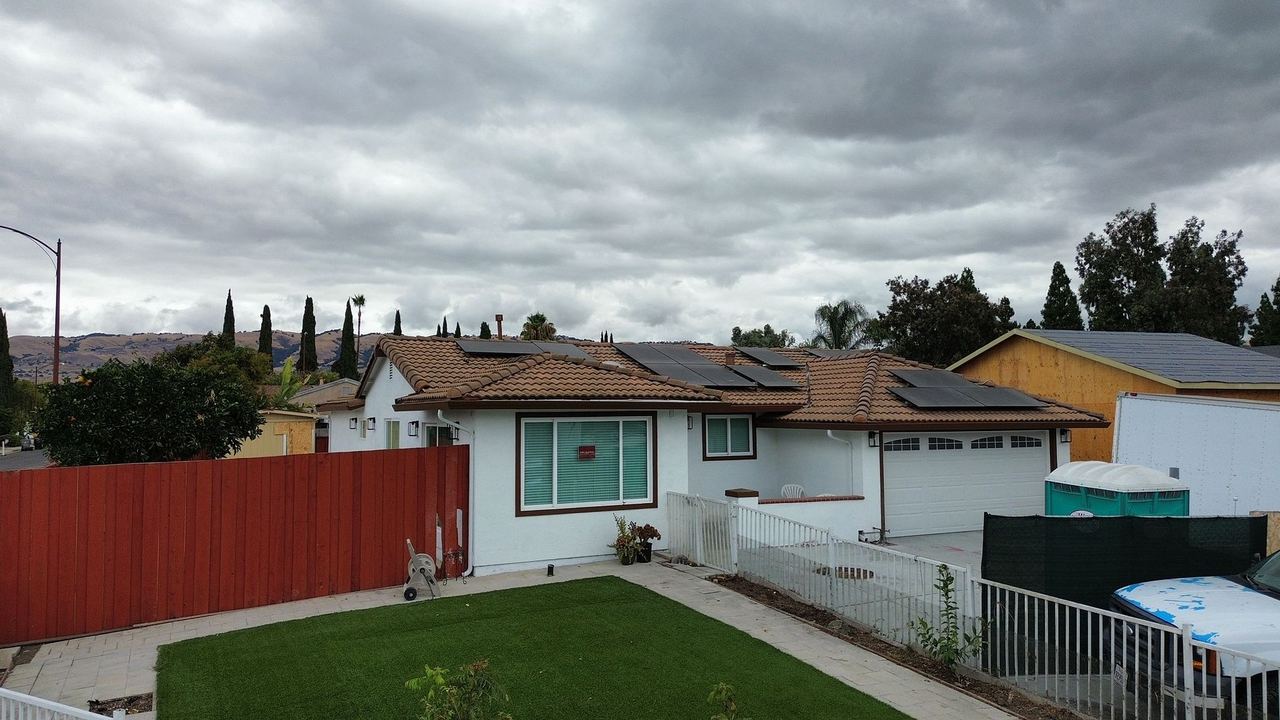
Many San Jose houses now come with rooftop solar, and panels hide whatever roofing sits under them. Two things are worth knowing before you close. First, the roof under and around the array still has to be judged: look at the age of the roofing compared with the age of the panels, and at the condition of the roofing around the mounts. Second, if the roof needs replacing during the life of the panels, the system has to be taken off and put back, which adds cost and coordination to the job.
Ask whether the system is owned or leased, who installed it, and what any installer warranty says about roof leaks at the mounts. If the roofing is already near the end of its life, our guide to doing the roof before solar explains why the order of those two jobs matters so much.
The Roof and Your New Insurance Policy
If you are financing the purchase, your lender will want homeowners insurance in place before closing, and in California the roof increasingly affects whether a carrier will write a policy and on what terms. Underwriters look at the roof's age and condition, and an older roof can mean more questions, an inspection of their own, or a harder time finding coverage.
So start shopping for insurance early in escrow, and have the permit date and the roof inspection report ready to share. Our guide to roof age and home insurance in San Jose goes through what carriers look at and why the policy's claim terms matter.
Using the Findings in Escrow
Your purchase contract sets a window for investigations, and in competitive Bay Area markets that window is often short. Book the roof inspection as soon as your offer is accepted so the report arrives while you can still act on it.
When the report comes back, buyers usually do one of four things:
- Accept the roof as it is, knowing what to budget for and when.
- Ask the seller to make specific repairs before closing. If they agree, ask for the roofer's invoice, a description of the work, and any permit and final inspection, so you know what was actually done and by whom.
- Ask for a credit or a price reduction instead, so you can choose your own roofer and schedule the work after you move in.
- Cancel within the terms of your contract, if the roof is a bigger problem than the deal can absorb.
Whichever way you go, a written estimate that separates repair from replacement makes the conversation concrete. Your real estate agent handles the negotiation and the contract terms, and for questions about your rights under the contract, ask them or a real estate attorney. Our job is to tell you accurately what is on the roof.
You may also be offered a "roof certification." What that means varies from one roofer to the next, so read exactly what it covers: which areas of the roof, for how long, and whether it promises to fix leaks or simply states the roof's condition on the day it was looked at.
Questions to Ask Before You Sign Off
How old is the roof, and can the seller prove it? A permit date, an invoice or a warranty registration, not "about ten years."
Was the old roof torn off, or is this a second layer? The answer affects the cost of the next re-roof.
On a tile roof, what does the underlayment look like? The tile alone tells you little about how much life the roof has left.
Is there staining or soft wood in the attic, and where? Locations near chimneys, skylights and valleys point to where the roof has leaked.
Who would remove and reinstall the solar panels, and roughly when will the roof need it?
Will an insurer write the policy with this roof? Find out while you can still negotiate.
Whoever you hire for the inspection, check that they hold an active California roofing licence; our guide to hiring a roofing contractor in San Jose shows how to verify one in a couple of minutes. To book a pre-purchase roof inspection anywhere in San Jose and the South Bay, request an estimate or phone (408) 295-8616. Tell us your contingency deadline when you call.
Frequently Asked Questions
Need professional help with your roof? Keith Roofing Company has been serving San Jose and the South Bay since 1952. We offer free estimates, honest recommendations, and work that's backed by BBB A+ Accreditation and CSLB License #1118418. Schedule a free estimate or call (408) 295-8616.