The short answer is yes, a roof can be replaced in the rainy season here. This guide covers how a winter re-roof is scheduled around the weather, how the roof stays protected while it is open, what happens when rain shows up early, how tile and shingle differ in the wet months, what the City of San José requires, and when it is smarter to make a repair and wait for spring.
The Short Answer: Yes, If the Job Is Planned Around the Weather
A San Jose winter is not one long rainy stretch. What we get is a concentrated wet season, with most of the year's rain falling between December and March, often in a handful of large atmospheric-river storms with dry days on either side.
That pattern is what makes winter re-roofing workable. The work happens in the dry gaps, and the plan for every day assumes the forecast could be wrong. A crew that treats a winter job exactly like a summer job is the real risk, not the season itself.
Scheduling a Winter Re-Roof Around Storm Windows
We set every start date around three things: when the permit is issued, when the material arrives, and what the weather forecast shows. From November on, the forecast drives the calendar.
In practice that means a few habits:
- Start on a clear stretch. The first days of a re-roof expose the most roof, so they belong at the front of a dry window, not the tail end of one.
- Have the material on site before tear-off. Tile in particular is usually ordered for the job rather than pulled from stock, so a tile project is not started until the order is in hand.
- Expect the schedule to move. A storm arriving a day early is normal in January. A good contractor tells you up front that the start date may slide.
Tear-Off and Dry-In, One Section at a Time
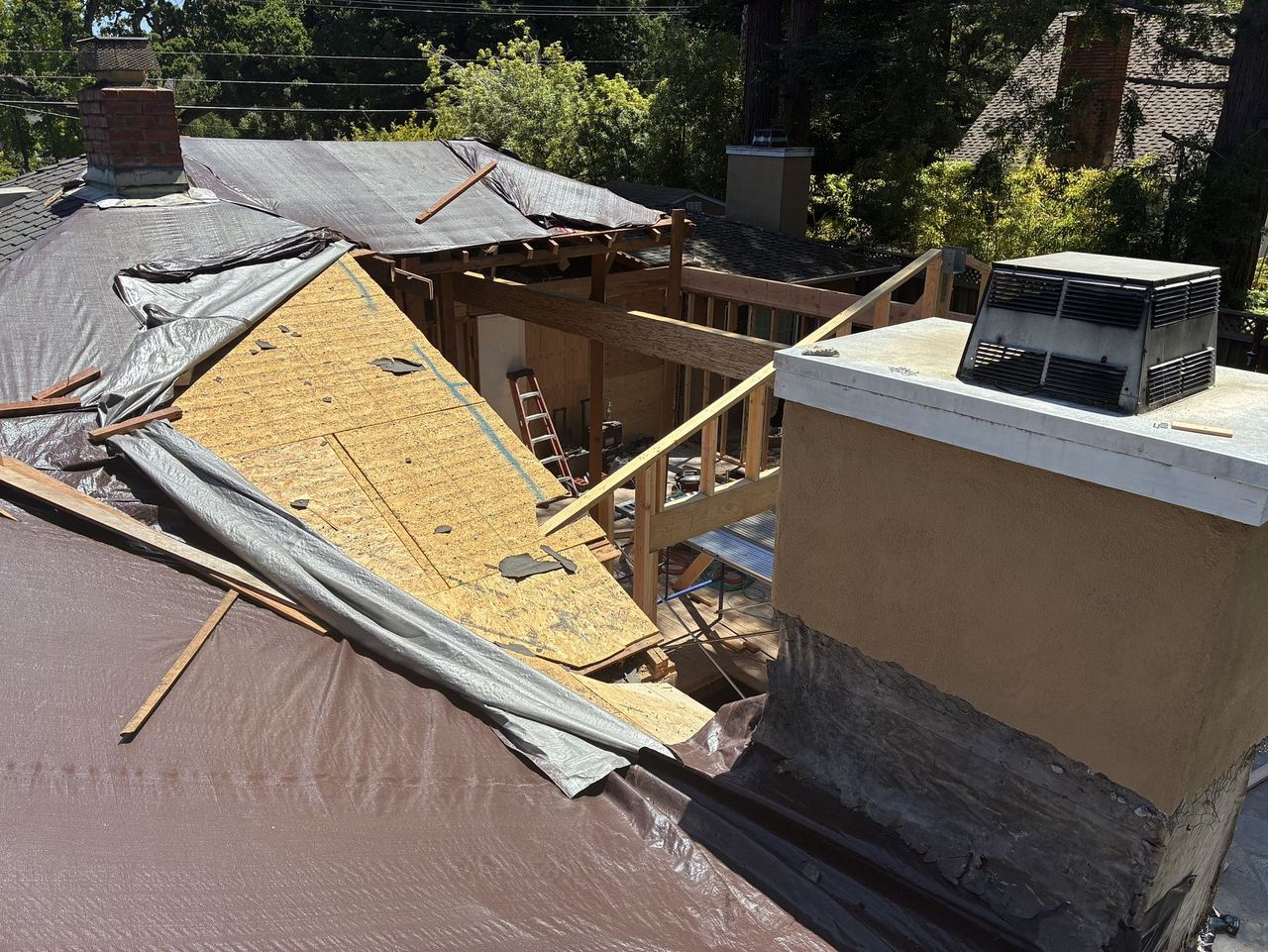
The single most important rule of winter roofing is simple: never remove more roof than the crew can cover again before it leaves. On a summer job a crew might strip an entire slope in the morning. In the rainy season the work is broken into sections, and each section is torn off, checked and dried in the same day.
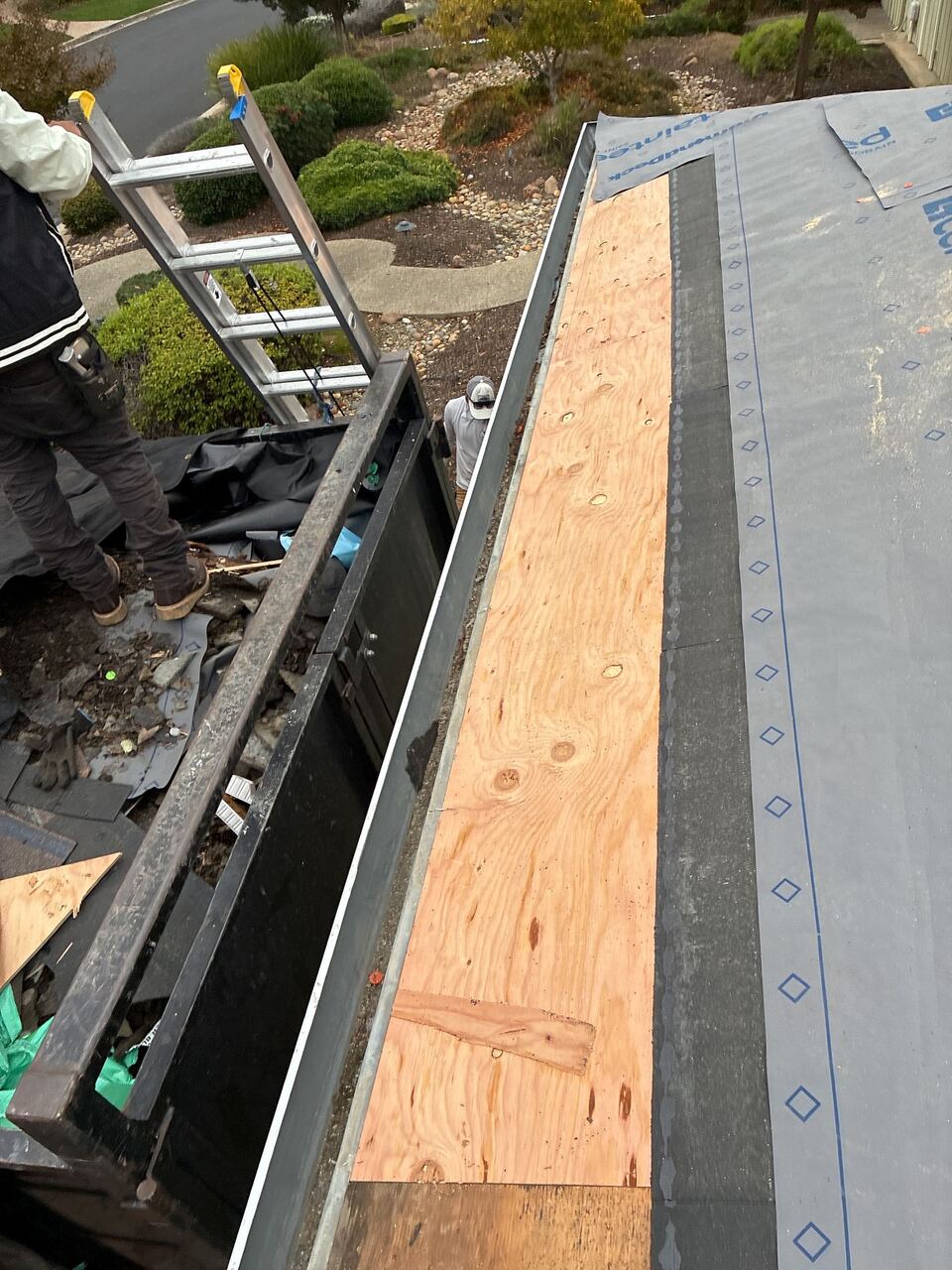
"Dried in" means the deck is covered with underlayment and the house is weathertight, even though the finished shingles or tile are not on yet. Each section goes through the same sequence:
- Tear-off down to the deck.
- Deck inspection, with photos of any damage and repair of rotted or soft boards before anything covers them.
- Underlayment, plus ice-and-water shield in the valleys and around every penetration.
- Flashing at that section's walls, vents and chimneys where the sequence allows.
Working in sections can add time, but it is the reason a winter re-roof doesn't turn into an indoor rainstorm.
Underlayment and Tarping: What Protects the House Between Storms
On a dried-in roof, the underlayment is doing the waterproofing. That is why the laps, the fastening and the self-adhering ice-and-water shield in the valleys and around penetrations matter so much on a winter job: they are what stands between the next shower and the deck while the finished roofing is still on its way up.
It is not meant to be a finished roof, though, and it is not a substitute for a tarp when a big storm is coming. When a serious system is on the way, loose edges should be secured and any area that isn't fully dried in should be tarped and tied down for wind. We do the same emergency tarping for homeowners with an active leak, so it is a routine part of the job rather than an improvisation.
One more detail: sealant won't bond to a damp surface, so finish work on each section waits for dry conditions instead of being pushed through in the drizzle.
What Happens If Rain Arrives Mid-Job
Sooner or later, a winter job gets rained on. When that happens on a well-run project, the sequence looks like this:
- Tear-off stops. No new area is opened once rain is likely that day.
- Any open area is dried in or tarped, and the edges between finished and unfinished sections are sealed.
- The site is left safe and clean, and you hear what was secured and when work will pick up again. We communicate with homeowners daily on every replacement, and a weather stop is part of that conversation.
- Work resumes once the roof surface has dried, not just once the rain stops.
The last point matters for safety as much as quality: a wet roof is dangerously slippery. A day lost to weather is a normal part of a winter schedule, and it should be built into the plan from the start.
Tile vs. Shingle in the Wet Months
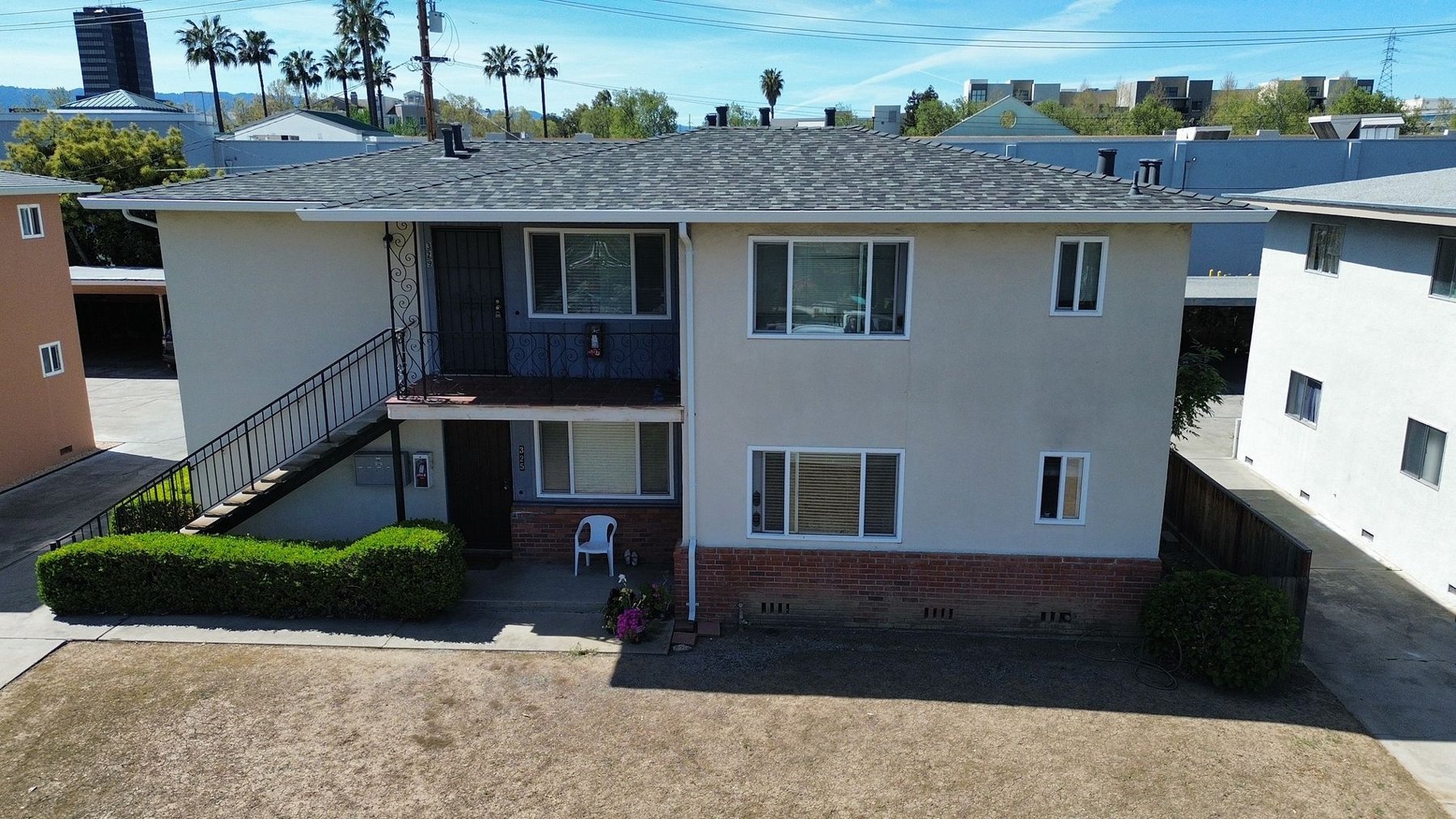
Asphalt shingle re-roofs spend the fewest days on site, and each section can be torn off, dried in and finished quickly. That makes them the easiest re-roofs to fit between storms.
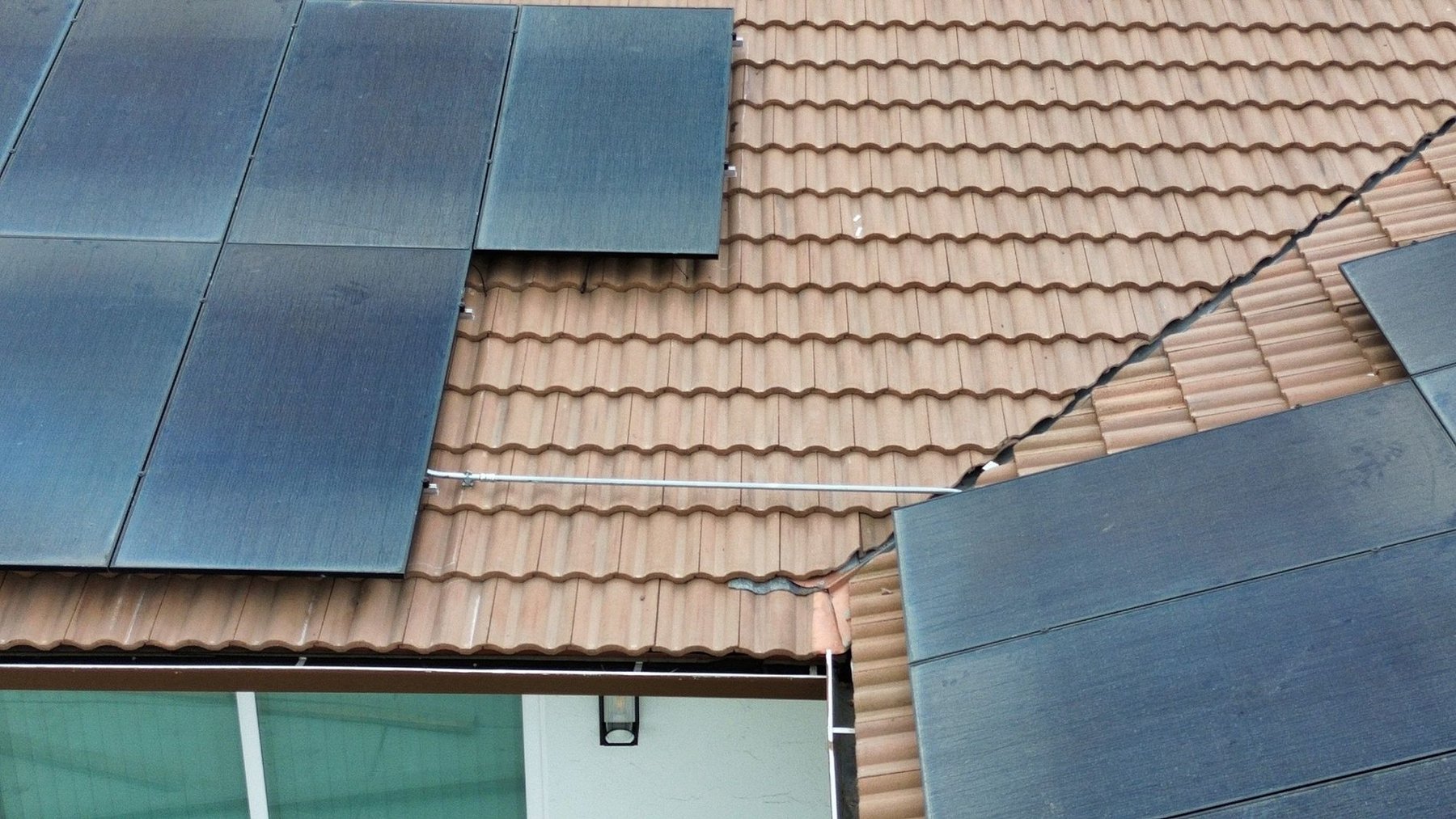
Concrete and clay tile jobs take longer on site, and the tile has to be handled carefully whether it is new or being reused. On a lift-and-relay, the original tile comes off with each course numbered, new underlayment and flashings go down, and the same tile is relaid. Because the underlayment is what actually keeps a tile roof dry, the dried-in stage is the part of a winter tile job that deserves the most attention. Our tile roofing page explains when a lift-and-relay makes sense and when the tile itself needs replacing.
San José Permits and Inspections in Winter
Rain does not change the City's rules. According to the City of San José, any roof repair or replacement covering 25 percent or more of the existing roof needs a building permit, and smaller roof repairs are exempt only if they do not involve the underlying framing and happen no more than once in a 12-month period. A full replacement always needs a permit.
For most single-family homes and duplexes, a reroof permit can be issued online at SJPermits.org, and inspections are scheduled through the same system. Homes listed on the City's Historic Resources Inventory can't get a reroof permit online and go through the City's walk-in service instead, which can affect a start date. The City's reroof worksheet also calls for a structural justification when the overall roofing weight would exceed 7 pounds per square foot, though a replacement with no increase in weight, such as tile to tile, is exempt.
We pull the permit and coordinate the inspections as part of every replacement, so on a winter job the inspection dates simply become part of the weather plan.
When a Temporary Repair Should Carry the Roof to Spring
Not every roof that needs replacing needs it this month. Sometimes the better plan is to stop the leak properly now and replace the roof in the dry season.
A repair-now, replace-later plan usually makes sense when:
- The leak comes from one identifiable spot, such as a failed pipe boot, a chimney flashing or a single valley.
- The deck is still sound, with no widespread soft or rotted areas.
- The rest of the roof is worn but still shedding water.
In those cases, a targeted roof repair in San Jose can be the honest recommendation, and it often holds for years on a roof that is younger and only damaged in one place. If water is coming in right now, start with our emergency roof leak guide, and a tarp can protect the house until the repair is made.
The calculation changes when leaks are showing up in more than one place, when the roof has been patched repeatedly, or when the deck underneath is already damaged. Patching a roof like that through a wet winter can mean paying for the same repair more than once. A roof inspection with photos is the fastest way to know which situation you are in.
Making the Call
If your roof needs replacing and you would rather not live with buckets and tarps until April, a winter re-roof is a reasonable choice in the South Bay. Ask the contractor how they schedule around the forecast, how much roof they will open each day, how open areas are protected overnight, and who handles the permit and inspections.
Our page on roof replacement in San Jose covers the full process, from estimate and permit to final inspection and warranty registration. And if the roof can safely wait, our checklist for getting a roof ready for the rainy season covers what to keep an eye on until spring.
Frequently Asked Questions
Need professional help with your roof? Keith Roofing Company has been serving San Jose and the South Bay since 1952. We offer free estimates, honest recommendations, and work that's backed by BBB A+ Accreditation and CSLB License #1118418. Schedule a free estimate or call (408) 295-8616.